
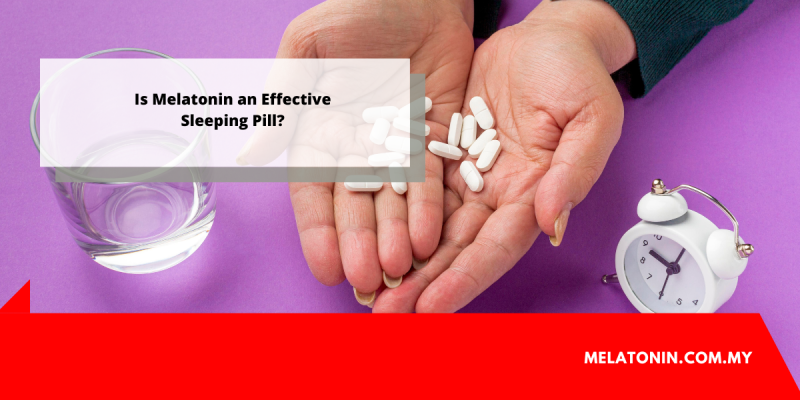
Melatonin is a natural substance that helps us sleep. In Malaysia, many people use melatonin to sleep better at night. It is like a tiny sleep helper that can be bought in stores. Let’s learn more about the melatonin can help you have a good night’s sleep in Malaysia.
The prevalence of sleep disorders and disruptions in sleep patterns is growing in our fast-paced modern society. Consequently, numerous individuals are actively searching for remedies to enhance their ability to both initiate and maintain sleep throughout the night. Among the options frequently contemplated is melatonin, a hormone pivotal in regulating our sleep-wake cycle. But does melatonin genuinely serve as an effective sleep aid? In the forthcoming article, we will delve into the scientific aspects of melatonin, its possible advantages, constraints, and critical considerations when utilizing it to improve sleep.

Understanding Melatonin
Melatonin, a hormone your brain naturally produces in response to darkness, is vital for regulating your circadian rhythms (your body’s internal clock) and promoting sleep, but exposure to light at night can hinder its production.
Melatonin as a Sleep Aid
Melatonin supplements can be easily obtained without a prescription and are frequently promoted as a natural solution for managing insomnia or sleep disruptions. The goal of melatonin supplements is to improve sleep patterns and quality, but effectiveness varies based on individual factors and the particular sleep problem.
- Jet Lag and Shift Work: Melatonin is widely recognized for its effectiveness in helping individuals adjust to time zone changes, such as those experienced during international travel (jet lag) or shift work. Taking melatonin supplements at the appropriate times can help reset the internal clock and improve sleep quality during these transitions.
- Sleep Onset Insomnia: Melatonin is frequently employed to tackle challenges related to initiating sleep, especially among individuals with delayed sleep-wake phase disorder or those encountering insomnia linked to conditions such as ADHD or autism spectrum disorders. Studies indicate that melatonin may effectively reduce the time needed to initiate sleep in these situations.
- Sleep Quality: Several studies suggest that melatonin could potentially improve the overall sleep quality by increasing the duration of deep, rejuvenating sleep stages. This effect can be particularly advantageous for individuals who frequently wake up during the night.
Limitations of Melatonin
While melatonin can be a valuable tool for managing sleep-related issues, it is not a one-size-fits-all solution, and its effectiveness may be limited in certain situations:
- Sleep Maintenance Insomnia: Melatonin is less effective in addressing difficulties with staying asleep throughout the night. Individuals with sleep maintenance insomnia may find limited relief from melatonin alone.
- Dosing and Timing: Melatonin’s effectiveness hinges on precise dosage and timing. Deviating from the recommended dose or timing can lead to suboptimal or disturbed sleep.
- Short-Term Use: While melatonin is generally deemed safe for short-term usage, its long-term safety and effectiveness as a sustained remedy for sleep issues remain an ongoing area of research.
- Underlying Causes: It’s essential to address the root causes of sleep disturbances. Melatonin can alleviate symptoms but may not treat the underlying causes of conditions like anxiety, sleep apnea, or other medical sleep disturbances.
In conclusion, melatonin can help improve sleep quality, especially for jet lag, shift work, and sleep onset difficulties, but it should be used under healthcare guidance, as part of a comprehensive sleep improvement plan.
Try LIFE EXTENSION Melatonin today for better sleep and a healthier life! Take the first step towards improved well-being now.
